
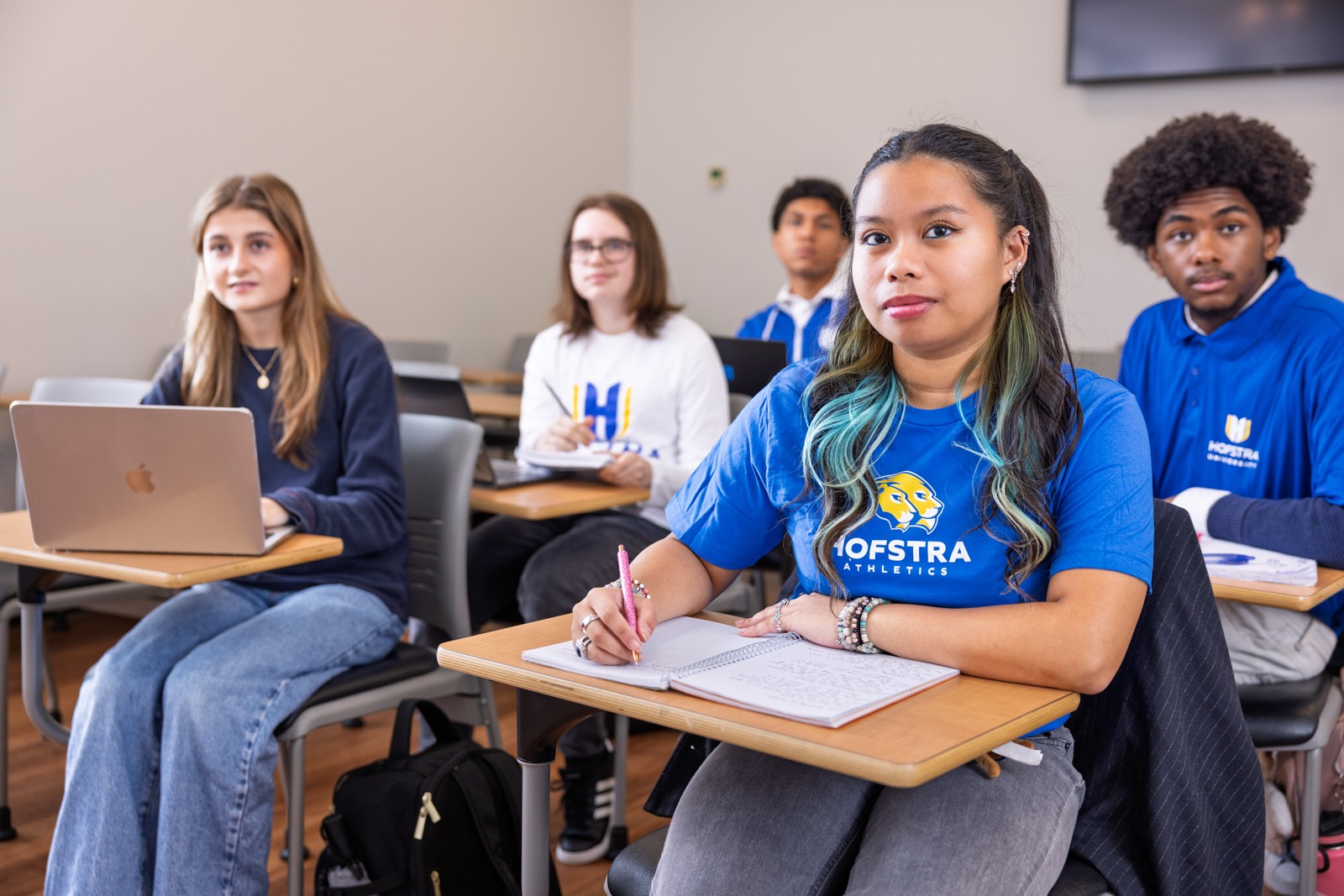
Hofstra University’s Student Access Services (SAS) office ensures equal access to accommodations across all areas of campus life for the students it serves, from testing and housing to classroom participation and beyond. Fee-based coaching through PALS and the Academic Coaching Program is one piece of that broader access mission.
The gains below are the result of specific process changes SAS put in place. The office streamlined PALS/ACP intake and enrollment, moved to daily automated data sync in its Accommodate system, and introduced priority registration for PALS students, developed jointly with the Office of the Provost, University Advising, and the Registrar, so students could build class schedules without conflicting with coaching support. SAS also redesigned its Peer Mentor Program and launched new policy guidelines, including Dietary Modification and Reduced Course Load, to close gaps in what accommodations covered. To keep pace with rising demand, the Testing Center expanded seating and added private, one-on-one rooms for speech-to-text and scribe exams, along with new surveillance and proctoring measures to protect exam integrity at higher volume. On the family side, SAS replaced its former parent support model with Family Access and Belonging (FAB) programming and extended its reach off campus with transition workshops at seven area high schools.
Taken together, these changes are what moved the numbers below: stronger onboarding and advising support behind the retention gains, expanded testing and documentation capacity behind the growth in accommodation use, and more structured coaching behind the narrowing graduation gap. SAS also launched Access@Stuyvesant this year, a new living-learning community intended to further student engagement and belonging.