
The EPCC StayStrong Student Emergency Assistance initiative was established with support from the Greater Texas Foundation. From food insecurity to a broken-down car that keeps them from getting to class, EPCC knows that students face multiple challenges when it comes to completing their degree. Frequently students do not drop out of school because of academic challenges, but rather financial challenges related to supporting themselves and their families. Since funding began in Fall of 2025, more than 50 students have been assisted to support their basic or emergency needs and more than 80% have stayed enrolled.
Additionally, EPCC offers a variety of programs that support student agency and well-being through its Tejanos StayStrong Services. Students can find all of these resources under Wellness & Support on the college website. Services in include the Tejano Mercado-campus food pantry, mental health services via EPCC Cares and TalkCampus, mobile device checkout, the Rio Grande Border Health Network, Childcare and Family Friendly Services and other services, including access to community organizations and resources.
As part of its wellness outreach for students, EPCC partners with community agencies. One example is a robust partnership with United Way of El Paso which offers services to students and the community via ‘Resiliency Navigators’ at each EPCC campus. This partnership provides access to United Way’s services as well as guidance to address financial hardship, referrals for housing assistance, assistance filling out social service applications, and referrals for other United Way programs. Having these programs on campus increases EPCC students’ access to Basic Needs, Mental Health, Financial Stability, and Education services and supports.
Pathways is another dedicated focus of EPCC. The college took its initial steps in the American Association of Community College’s Pathways program in 2015. Since then, EPCC has been dedicated to refining its Pathways work through participation in each Texas Pathways cadre since its inception more than a decade ago. The most recent work has made significant progress in advancing this critical work that moves the needle on student early momentum. As a result of Texas Pathways participation, EPCC is creating a complete list of student supports available at the college, organizing them by related services, and categorizing them in a way to better inform students. This also helped EPCC staff identify possible overlaps in service and create opportunities to collaborate with similar support offices and better guide students to appropriate services. The goal is that increased awareness and use of supports contribute to greater student success, confidence which will thus improve retention.
Another example of evolving Pathways work is the ongoing review and improvement of Program Maps, including adding and clarifying ‘stackable credentials. For example, EPCC is preparing to develop maps which will allow students to clearly see how a Level 1 Certificate feeds into and prepares for success in AAS, including course scheduling and availability. The goal will be to make the maps more student-friendly and eventually have embedding/stacking program maps for more programs. Preliminary data suggests this effort will contribute to continued improvements in student momentum metrics and further increase retention if students can clearly see a smooth path forward to graduation.
EPCC has implemented a variety of initiatives to help students achieve key milestones in the first year that contribute to student success and retention. Started with grant funding in 2019 at one campus, EPCC’s First Year Experience (FYE) program is now part of the institutional budget with locations and services across multiple campuses across the EPCC district. These centers are examples of innovation that engages students, integrates services, and provides holistic support which has modernized our approach to welcoming and supporting our new students. The FYE centers provide a one-stop shop for students to get the services they need, gain important academic and life skills, and feel a sense of belonging to the College. “I didn’t know what I was doing but they helped show me the way,” Isaac Lopez, EPCC student said. “I also met some friends.”
With the creation of the Office of Student Success, EPCC has been able to significantly expand its tutoring offerings. Tutoring Centers are available on every EPCC campus and provide students with an array of resources, from in-person tutoring and study-guide resources to online tutoring focused on students’ classroom success. During the COVID pandemic, tutoring was offered online 24/7. Recognizing the amount of participation of students in tutoring during non-business hours, EPCC continued online tutoring post-pandemic and still offers extended hours tutoring to make this critical support accessible to all students at the times they are available. Between 2022 and 2025, use of tutoring services has increased in both part- and full-time students, with many students making multiple visits during the year.
EPCC also offers specialized tutoring to all students to help them succeed in gateway courses such as Math and English, which builds early academic momentum and keeps students on track to achieve their academic and career goals. By giving students the support they need to succeed, tutoring also makes it more likely they’ll stay enrolled through their first year. Many students credit tutoring with helping them succeed. “During my participation, my academic performance has improved, and that has led to better grades in my classes,” EPCC student Denzel Lara said.
EPCC’s federally funded TRIO Student Support Services Program (SSSP) also contributes to our students’ success. Through individualized services including academic tutoring, financial aid, scholarship guidance, financial and economic literacy, career exploration, personal and academic counseling, and mentoring, TRIO SSS empowers students to succeed and stay enrolled. Outcome for this program demonstrates a 46% participant graduation rate, a transfer rate of 24% and a persistence rate of 86% higher than average for EPCC students.
The Center for Students with Disabilities (CSD) provides specialized activities for its students, such as New Student Orientation (NSO) and College Day. NSO assists in helping students transition to college life and become familiar with Americans with Disabilities and Individuals with Disabilities Education acts. It provides information regarding CSD intake process and services such as accommodations and modifications, campus resources, connections between new students, and support for emotional well-being. CSD College Day events invite high school seniors with disabilities and their parents to help on transitioning from high school to college. It also provides preparation information before registering that includes Apply Texas, FASFA, scheduling to see a CSD counselor, entrance exams, overview of CSD intake process, disability documentation, ADA and IDEA, types of accommodations and modifications, and campus tours with college resource fairs. Link to El Paso Matters news story.
Project HIGHER is an innovative program in partnership with Texas Workforce Solutions-Vocational Rehabilitation Services. It is geared towards individuals 18-25 years of age with intellectual and developmental disabilities by providing the support they need to complete a level one certificate in a CTE program and find internship opportunities and employment within their area of study. The program supports 25 students annually and utilizes a one-on-one educational coaching model that provides pre-planning, academic coaching and support, and provides self-advocacy, self-determination, and academic skills training. Project HIGHER also offers a one-week Readiness Training that prepares students for the academic year. This training provides information about all the college programs designed to help students succeed including access to the food pantry and mental health support and provides external resources such as transportation information to assist students. Additionally, the training promotes a sense of belonging within groups, thus supporting student retention through connections and supports they receive
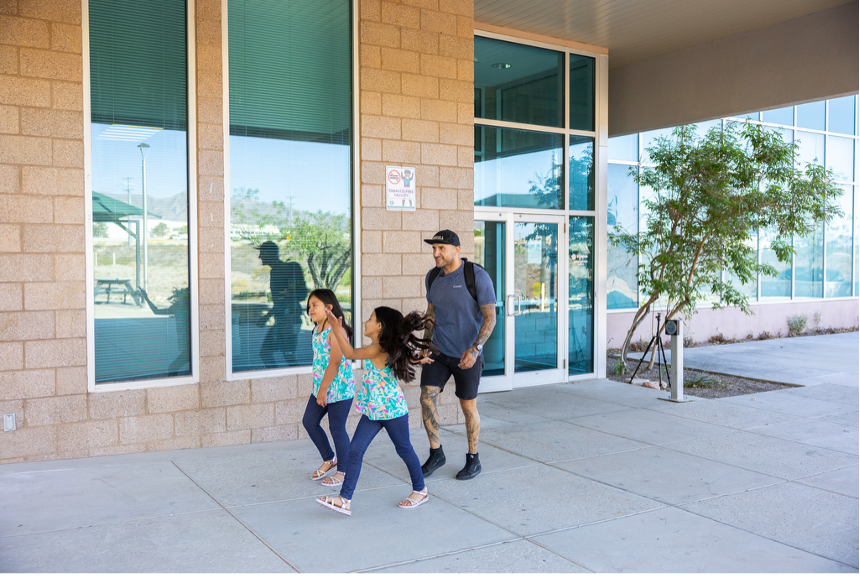
EPCC also works to create initiatives that help all students succeed and belong. One example of this is our student-parent and family friendly campus initiative. As part of an Aspen Ascend grant, EPCC researched and discovered student parents or guardians have specific challenges and support requirements. Data from FAFSA student banner files, student information sheets, and EPCC analytic tables were analyzed to better understand the needs of student-parents on campus who historically make up at least 40 percent of non-dually enrolled students are parents or guardians. Seventy-three percent of student parents are single, and 45% of single students are parents. As a result, EPCC identified opportunities for strengthening institutional support mechanism to better serve parents who are navigating the dual responsibilities of pursuing higher education, raising families, and maintaining employment. EPCC has taken significant steps to address the needs of this population by creating family-friendly campuses and Student Parent Resource Centers. Preliminary data is showing improvements to student retention and academic success. Fostering a more supportive environment, especially for non-traditional and parenting students is a powerful example of creating an environment for educational excellence. This will ultimately strengthen community engagement not just for student parents but for overall campus well-being.
Another example of targeted outreach is with our Veterans and Military-affiliated students. EPCC has been designated a Military Friendly Campus and has dedicated Veteran’s Resource Centers at two campuses. These are one-stop centers serve students who are active-duty, retired, reservist or National Guard Veterans, their spouses, and dependent children who want to pursue an education. Not only do they provide answers to programs and services for Veterans, but they also provide safe spaces to visit and engage with one another.